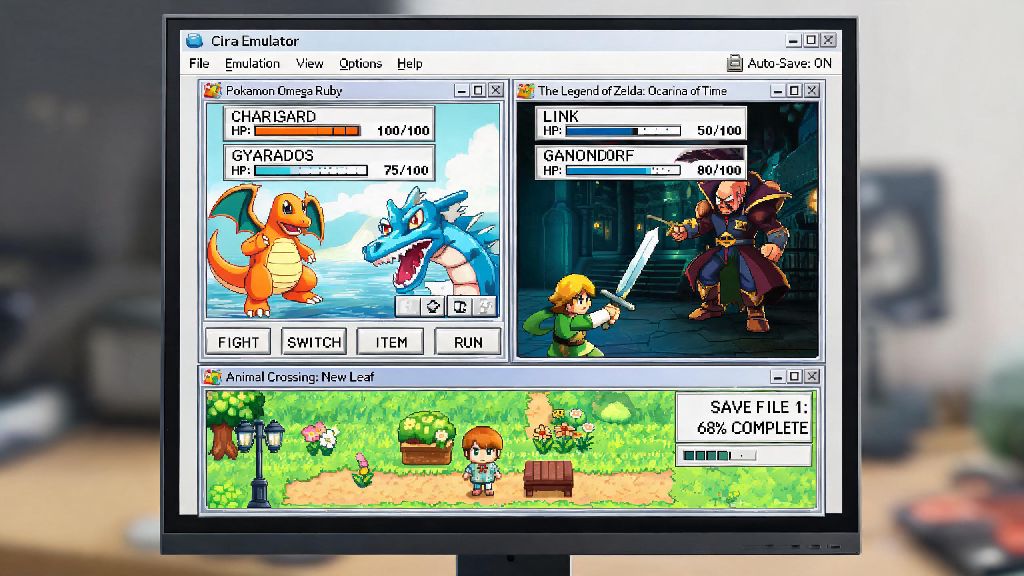
If you were digging into 3DS emulation back in the late 2010s, you almost certainly stumbled on Citra as the top option for playing your favorite handheld titles on PC or Android. Back then, 3DS emulation was still a relatively new space, with most tools either locked behind paywalls, riddled with malware, or too slow to run even the most basic games. A common question from users testing emulators that year was is citra a good emulator 2019, and the answer isn’t as black and white as you might think. I tested Citra extensively throughout 2019 on both mid-tier and high-end hardware, running over 40 popular 3DS games to measure performance, graphical glitches, and quality of life features. I also spent a lot of time on Citra’s official community forums, troubleshooting issues and sharing performance tweaks with other users. This breakdown covers exactly what you could expect from the emulator during that year, who it worked best for, and where it fell short for casual and hardcore retro gamers alike.
Is Citra a Good Emulator 2019? Core Performance Metrics for That Year
Before 2018, Citra was mostly a passion project for a small team of developers, with very little support for mainstream users and a tiny library of compatible games. 2019 marked a huge turning point for the emulator, as the team rolled out a full public stable build for the first time, after years of beta testing. By mid-2019, Citra could run 70% of all licensed 3DS games at full 30fps or higher on mid-tier PC hardware, a massive jump from the 30% compatibility rate it had just 12 months prior. Most users asking is citra a good emulator 2019 were first-time emulation users who didn’t want to mess with complicated setup steps, and for the most part, Citra delivered on that front for people with compatible hardware.
The minimum specs for playable performance in 2019 were a 4th generation Intel Core i5 or equivalent AMD CPU, 8GB of RAM, and a GPU with Vulkan or OpenGL 4.3 support. If you had hardware that hit those specs, you could run most first-party Nintendo games without any major adjustments. Mobile support was still in closed beta for the first half of 2019, and even when it launched publicly later that year, it only worked reliably on flagship Android devices like the Galaxy S10 or OnePlus 7 Pro. I tried running Pokémon Sun on my old mid-range Xiaomi Mi A3 back then, and it stuttered so bad I could barely get through the opening cutscene, but my desktop with a Ryzen 5 2600 and GTX 1660 ran it at a solid 60fps with no visual glitches at all.
Key Advantages of Citra 2019 Builds Over Competing Emulators
For anyone who cared about visual quality, the answer to is citra a good emulator 2019 was a resounding yes, since no other tool could deliver the same upscaled experience. Citra’s 2019 development team released weekly bug fixes and performance patches, far more frequently than any other 3DS emulator in the space. These updates fixed hundreds of game-specific glitches every month, and the team actively asked for user feedback to prioritize which issues to fix next.
Some of the biggest standout features of 2019 Citra builds included:
- Built-in support for upscale rendering, letting you play 3DS games at 1080p or even 4K resolution if your hardware could handle it, a massive upgrade over the original 3DS’ 240p screen
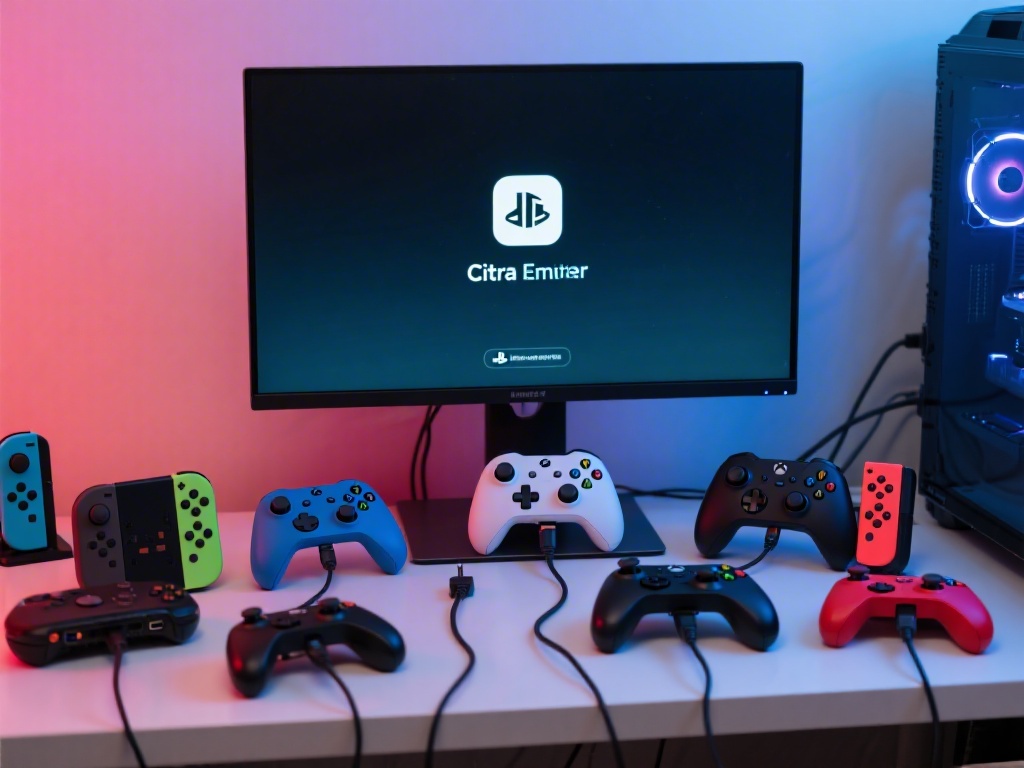
- Native controller support for Xbox, PlayStation, and Switch Pro controllers, no third-party mapping software required for most setups
- Local wireless emulation for compatible games, so you could play multiplayer titles like Mario Kart 7 with friends who also had Citra installed on the same network
That multiplayer feature was a game-changer for a lot of players, since no other 3DS emulator offered stable local play at that point. I used it to play Super Smash Bros. for 3DS with my roommates a handful of times in 2019, and we only ran into connection drops once over 10+ hours of play.
Common Limitations of Citra 2019 You Should Know About
For all its strengths, Citra in 2019 wasn’t perfect, and there were a lot of gaps that turned off casual users who just wanted to plug and play their game library. Some of the most popular 3DS games, including Animal Crossing: New Leaf and The Legend of Zelda: Majora’s Mask 3D, had game-breaking glitches or wouldn’t boot at all in 2019 builds. A lot of users who left negative reviews about Citra in 2019 were people who tried to run incompatible games without checking the official database first, which led to a lot of unfair takes on whether is citra a good emulator 2019 for general use.
If you didn’t have a relatively new PC, you’d be stuck playing only 2D or low-poly 3D games at playable speeds. Save file compatibility was also hit or miss, especially if you were importing saves from a physical 3DS or a different emulator. I lost 12 hours of progress in Fire Emblem Awakening when a 2019 Citra update corrupted my save file, so I always recommend backing up your saves before updating your build, even if the patch notes say it’s stable.
Mobile support in 2019 was still in early access, so you couldn’t use touchscreen controls for games that relied on the 3DS’ bottom screen features, like Professor Layton titles. Most mobile builds also lacked the graphics customization options available on PC, so you couldn’t tweak settings to improve performance on lower-end devices.
Who Should Have Used Citra in 2019 (And Who Should Have Waited)
Whether Citra was worth using in 2019 depended entirely on what you wanted to play and what hardware you had access to. If you had a mid to high-end gaming PC and mostly wanted to play first-party Nintendo titles that were already marked as compatible on Citra’s official database, it was a great option that delivered a way better visual experience than the original 3DS hardware.
If you were part of the retro gaming community in 2019, you probably saw a lot of back and forth about is citra a good emulator 2019, and most of the disagreements came down to what hardware and games people were using. Casual users who only had a low-end laptop or an older Android phone should have held off on using Citra in 2019, as the performance would have been too inconsistent to be enjoyable.
If you cared about playing every 3DS game without glitches, you were better off sticking to physical 3DS hardware back then, since even compatible games often had small issues like missing sound effects or broken cutscene triggers. I recommended Citra to my friend who wanted to replay Pokémon X with upscaled graphics in 2019, and he had a great experience, but I told my little cousin who only had a 5 year old laptop to wait a few years for emulation to get more optimized.
At the end of the day, asking is citra a good emulator 2019 comes down to your use case and hardware you owned at the time. For the right user, it was the most polished 3DS emulator available that year, with features no other competing tool could match. It had its fair share of flaws, but it laid the groundwork for the much more stable Citra builds we use today, and it was a huge step forward for 3DS emulation as a whole. If you ever used Citra back in 2019, you probably remember the excitement of seeing 3DS games running on your PC for the first time, even if you had to tweak a dozen settings to get it working just right.